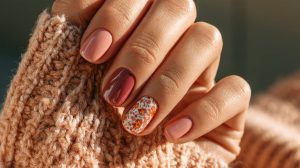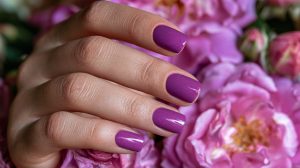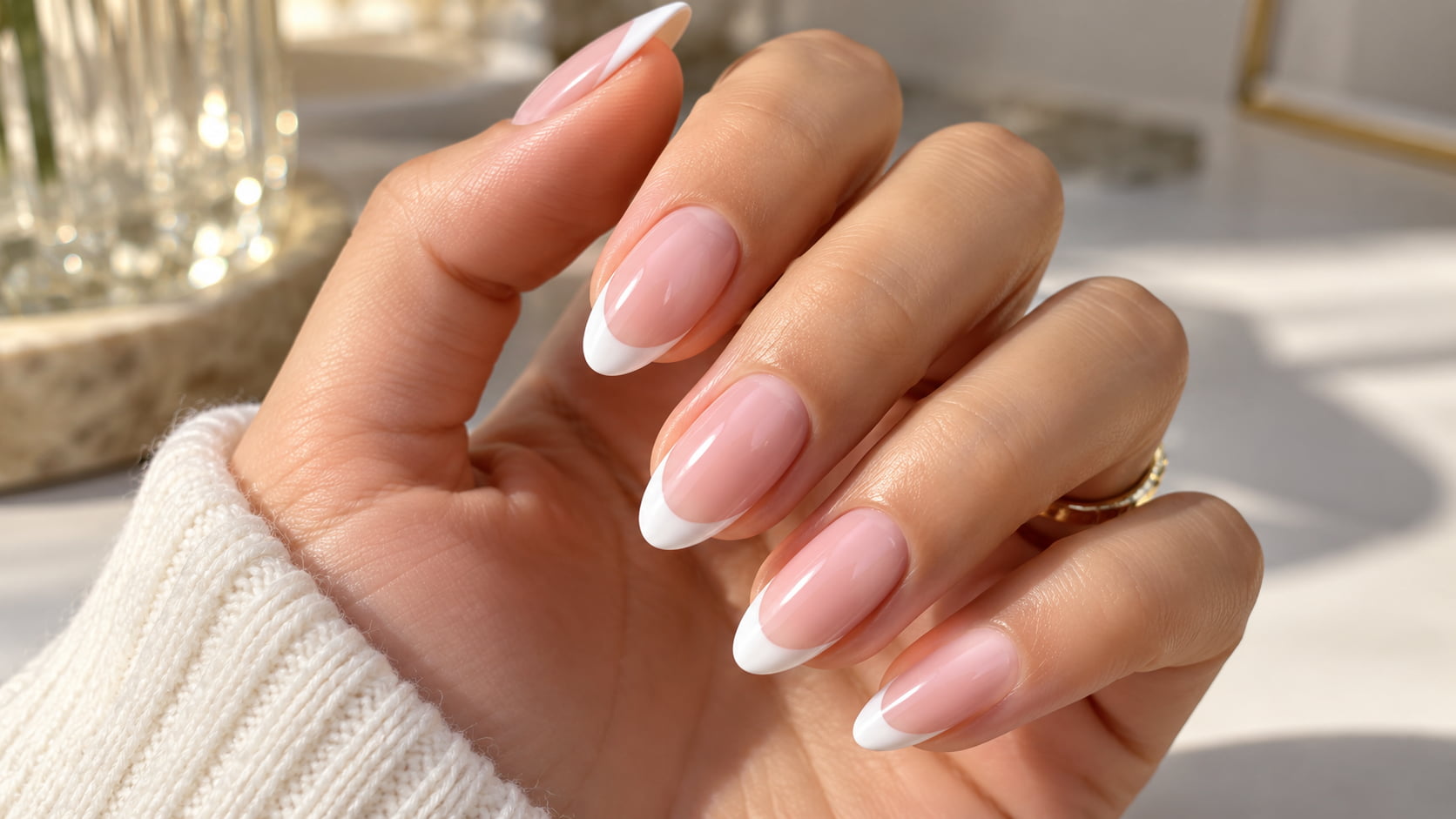
When clients sit down at my salon table and ask for a manicure that balances classic polish with contemporary flair, our conversation almost always centers on the smile line. For decades, the traditional French manicure followed a rigid, predictable pattern: a heavy, chalky white strip painted straight across an opaque bubblegum-pink base. While that nostalgic high-contrast aesthetic will always have a place in beauty history, modern salon techniques have completely redefined what the free edge can represent. Today, creative French tip nail ideas dominate salon appointments because they celebrate negative space, unexpected textures, and architectural precision.
Nail styling is fundamentally a study in geometry and proportions. When the smile line respects the natural curve of your nail bed, the entire hand looks instantly elongated, balanced, and refined. By modifying the thickness of your tip, incorporating magnetic cat-eye pigments, or shifting from standard neutrals to rich jewel tones, you can immediately transform the natural silhouette of your hands. The modern French tip is versatile, clean, and endlessly adaptable to any lifestyle. Whether you prefer short, natural nail beds or long, sculpted extensions, here are 15 studio-tested French tip nail ideas to inspire your next set.
1. The Precision Micro French
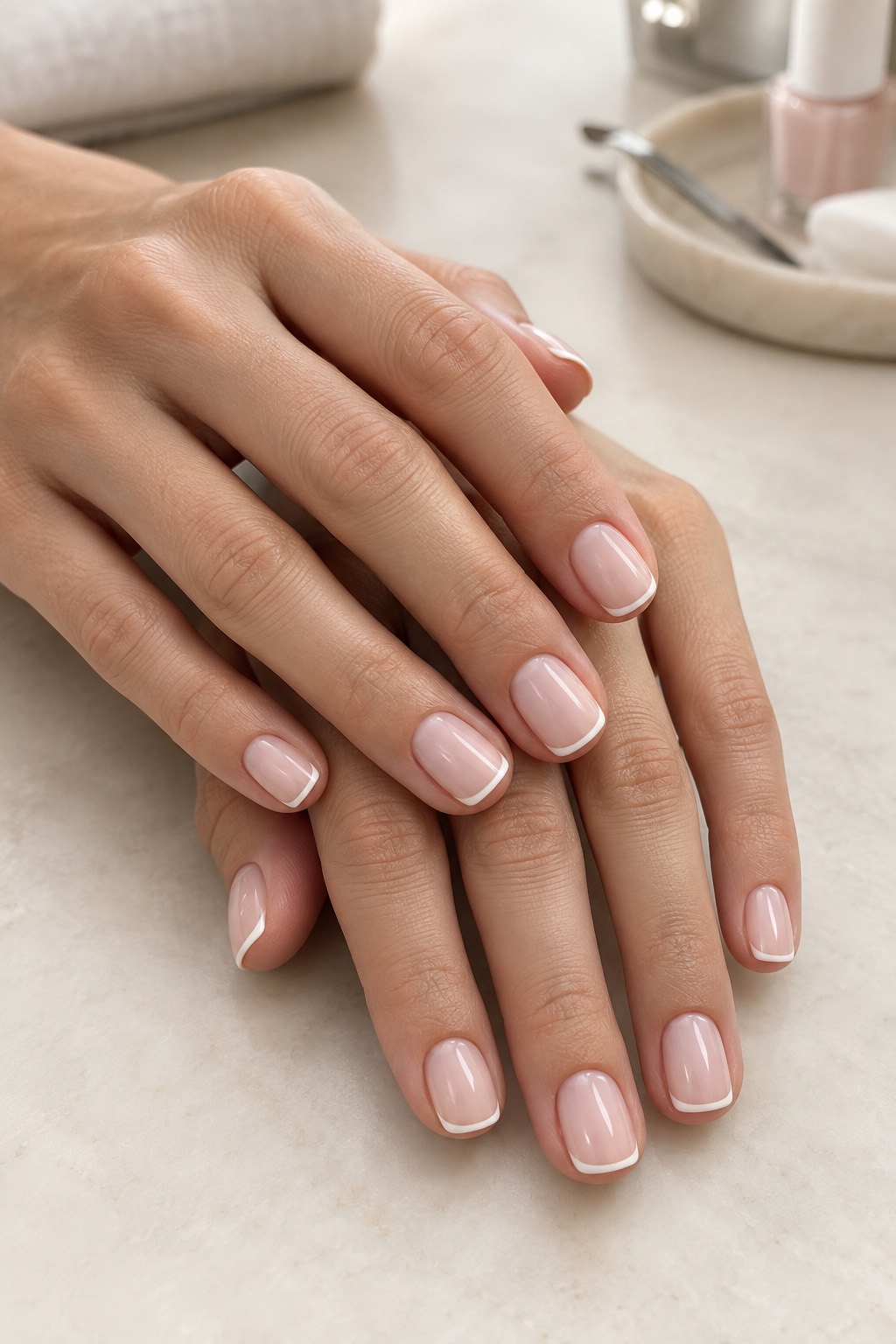
The micro French, often referred to as the skinny French, is the cornerstone of modern nail minimalism. Instead of covering the upper third of the nail plate with heavy lacquer, this technique places a razor-thin, clean stroke directly along the natural perimeter of the free edge.
- The Palette: Translucent milky-nude base paired with crisp porcelain white or soft off-white tips.
- Best Paired With: Short active squoval, round, or short oval natural nails.
- Artist Technique: A long 7mm or 9mm striping brush loaded with high-viscosity pigment gel gives you maximum control. Resting your pinky finger against your opposite hand stabilizes your wrist, allowing you to lay down a continuous hairline curve in a single pass. Because the line is so delicate, the manicure grows out gracefully without creating an obvious shelf.
2. Glazed Donut Pearlescent Chrome Tips
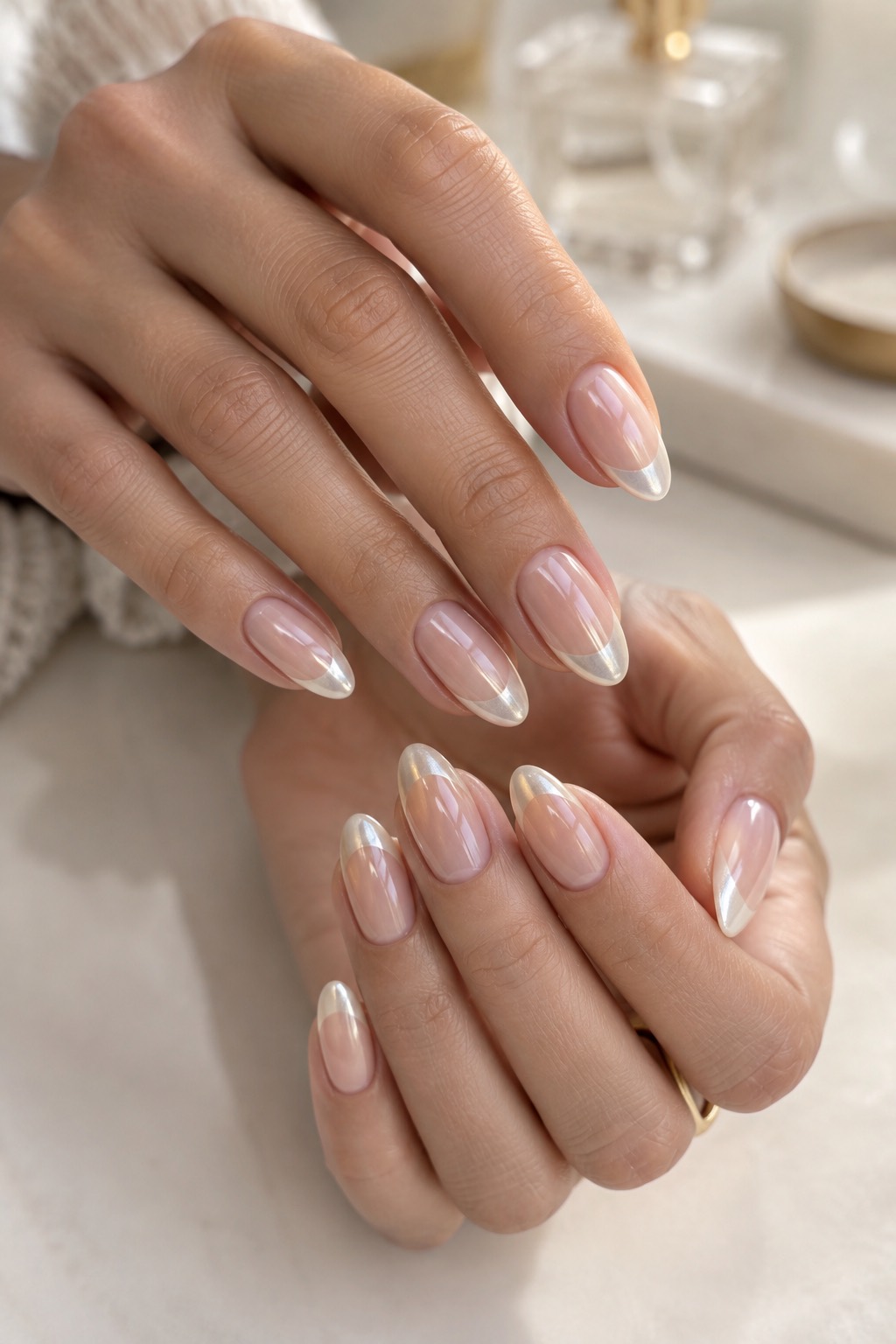
Chrome powder layered over a French tip creates an iridescent, glass-like reflection. Instead of laying down opaque metallic foil, this method creates a soft pearl shimmer that catches shifting light with every hand gesture.
- The Palette: Sheer blush base, vanilla-cream tips, and an ultra-fine dusting of white-gold or pearl chrome powder.
- Best Paired With: Medium almond or soft oval extensions.
- Artist Technique: Apply a no-wipe gel topcoat exclusively over the white tip, cure for twenty seconds, and buff the chrome pigment in with a silicone applicator. Dust off any stray particles, brush on a thin layer of rubberized base coat to lock the chrome in place, and finish with a high-gloss topcoat to prevent premature edge peeling.
3. Dimensional Velvet Magnetic Cat-Eye Tips
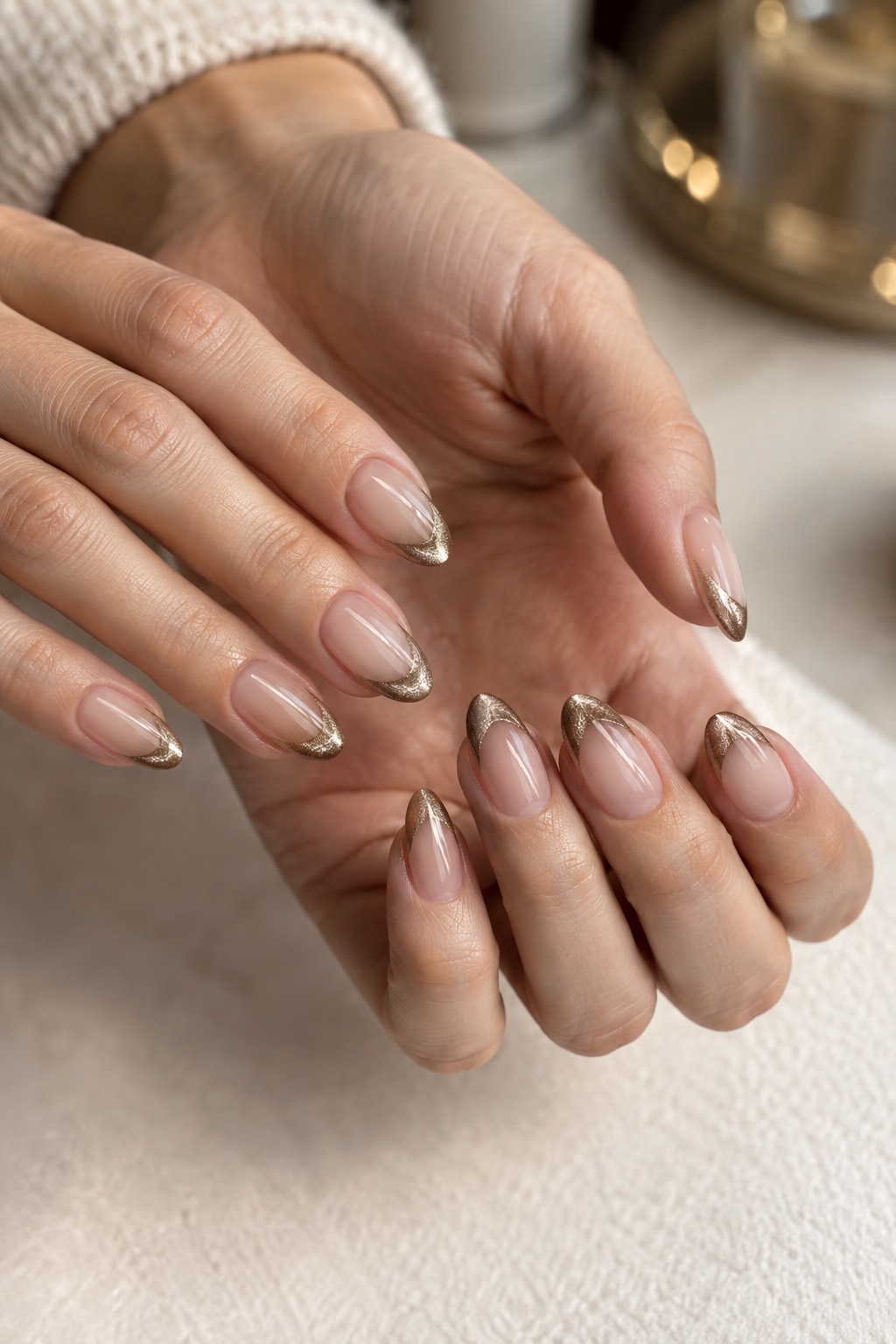
Velvet cat-eye polish utilizes fine magnetic iron flakes suspended in a tinted gel base. When you isolate this reactive shimmer strictly to the free edge, it replicates the rich, tactile luster of crushed velvet ribbon.
- The Palette: Antique champagne, smoky bronze, sage moss, or rose-gold magnetic pigment over a sheer neutral foundation.
- Best Paired With: Medium almond, coffin, or tapered square nails.
- Artist Technique: Place a strong rectangular neodymium magnet under the pad of the finger and roll it upward toward the tip before curing. This draws the metallic particles to the surface, creating an optical dome effect that shifts across the tip as your hands move.
- Salon Secret: Magnetic particles naturally drift back into the gel suspension before curing. Flash-cure each nail for ten seconds under an LED lamp immediately after lifting the magnet to freeze the light beam in place.
4. Glassy Amber Tortoiseshell French
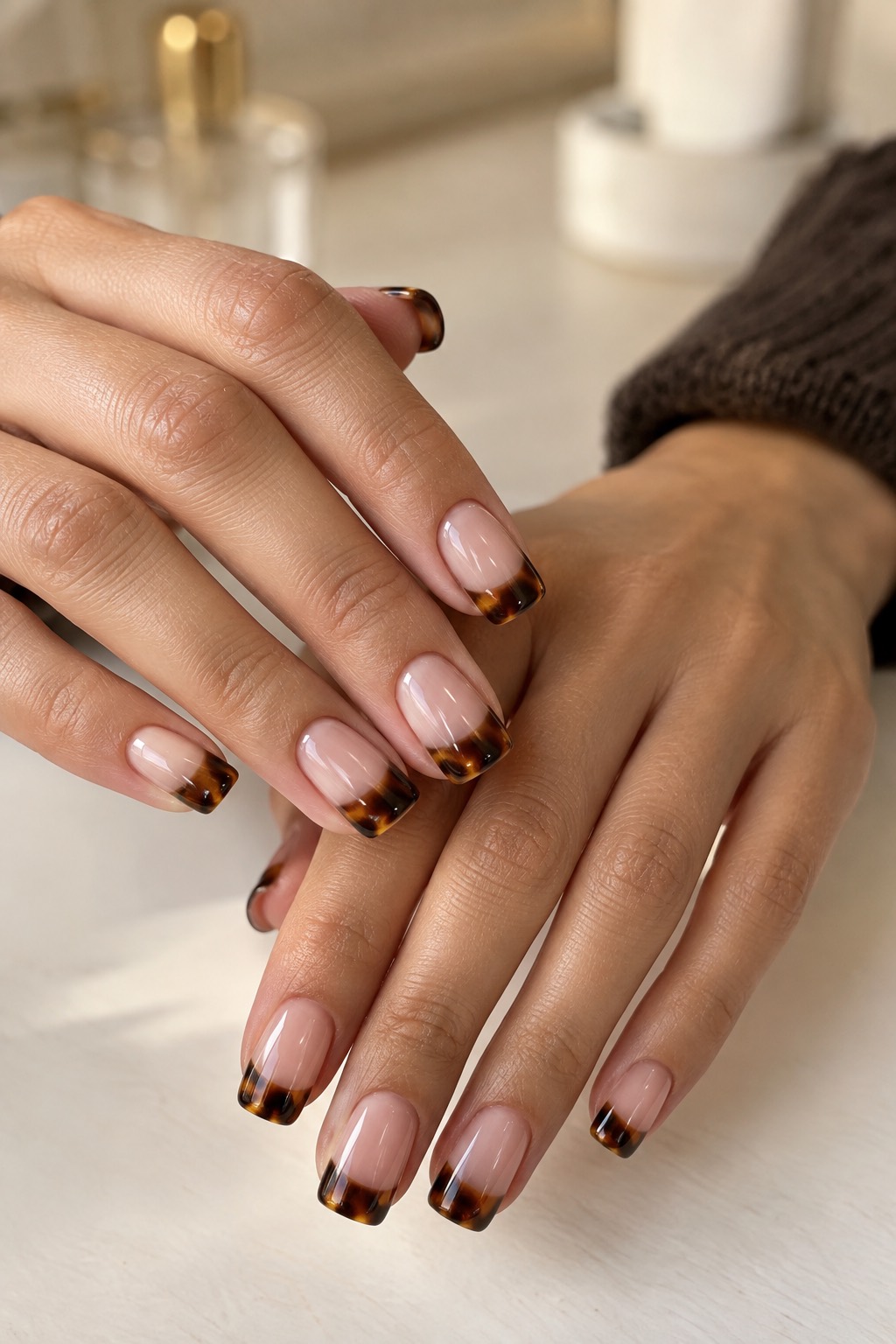
Tortoiseshell tips deliver warmth and organic visual interest, making them a perennial favorite for cooler months. Rather than painting a flat graphic pattern, this look builds genuine optical depth by sandwiching sheer amber jelly polishes between irregular flecks of dark pigment.
- The Palette: Translucent honey amber, deep burnt caramel, and espresso-black spots over a clear or nude base.
- Best Paired With: Medium square or coffin nails.
- Artist Technique: Paint a foundational smile line using sheer amber jelly gel. While the layer remains wet, drop tiny dots of dark brown and black gel along the curve, softening the edges with a detail brush dipped in alcohol. Cure, add a second coat of amber jelly over the top, and seal for a finish that resembles polished vintage horn.
5. Architectural Deep Chevron V-Cut
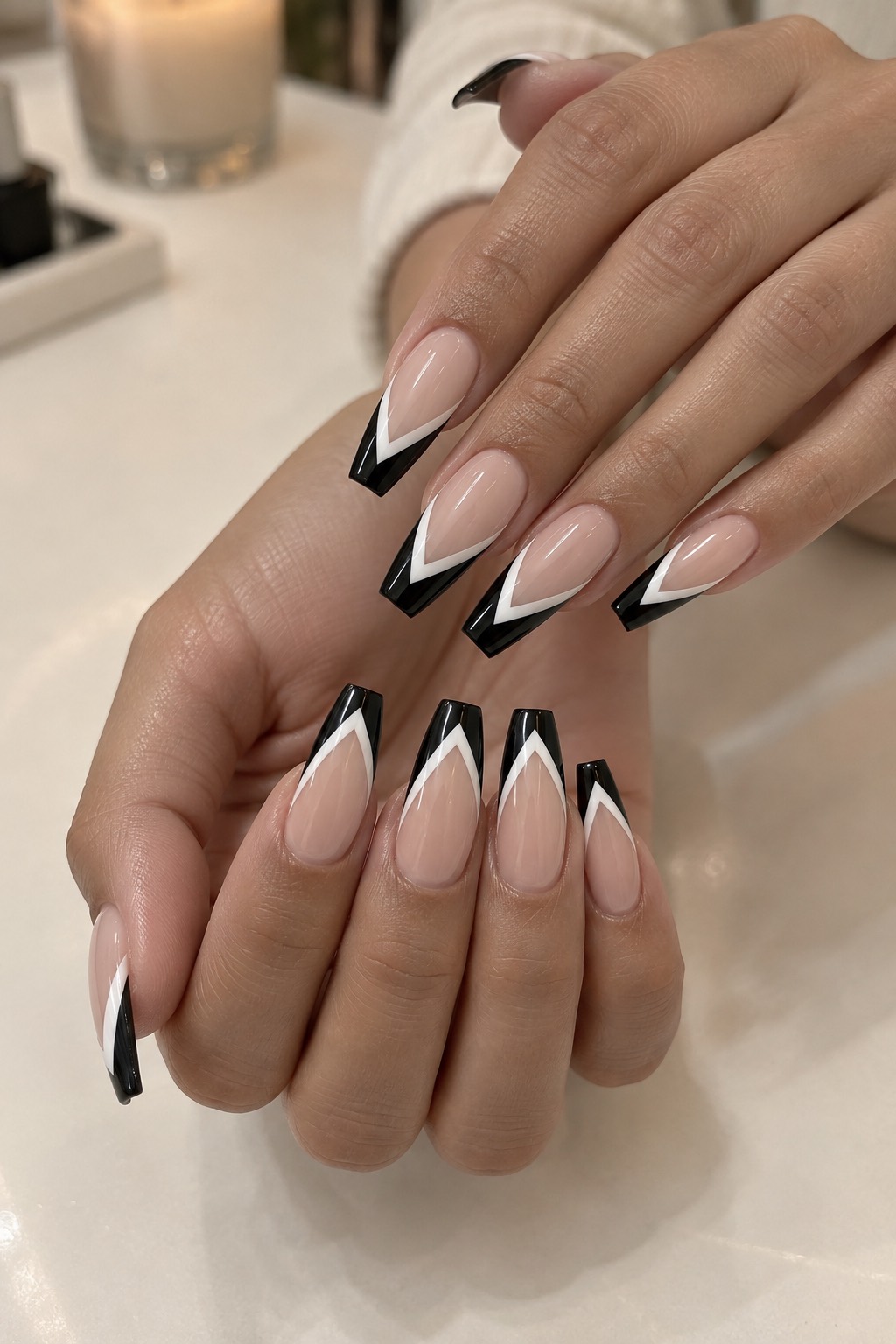
For clients drawn to sharp, structured aesthetics, the chevron French replaces the traditional rounded crescent with two crisp diagonal lines that intersect at an exact central point. This angular orientation guides the eye forward, creating an immediate elongating effect.
- The Palette: High-contrast combinations like black and stark white, or metallic silver over a bare nude nail bed.
- Best Paired With: Long coffin, ballerina, or sharp stiletto extensions.
- Artist Technique: Map your apex point directly on the vertical center line of the nail before painting. Draw straight strokes from each lateral sidewall down to that central mark, and clean the underside of the angle with a firm flat gel brush moistened with cleanser.
6. High-Vamp Black Cherry and Merlot Tips
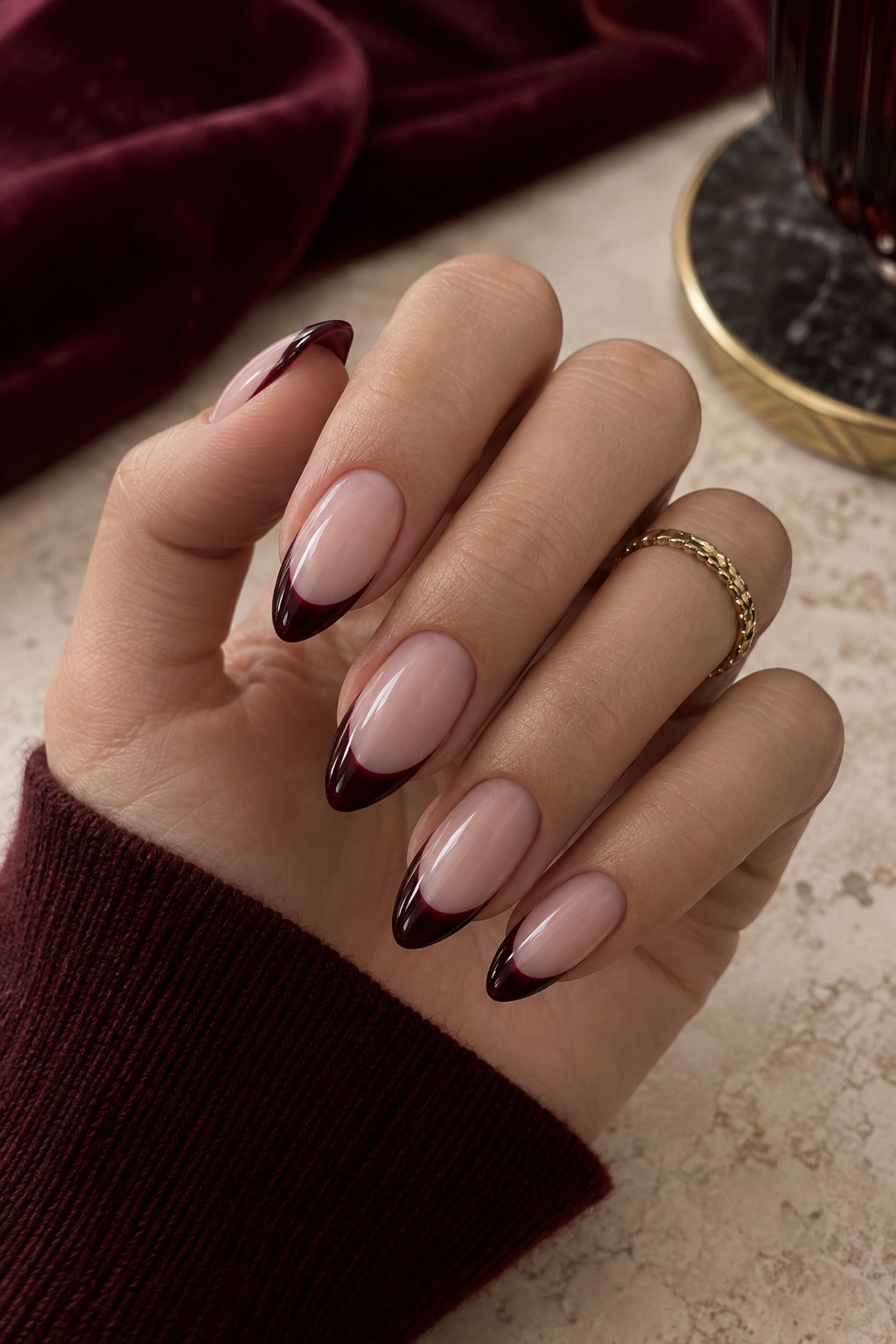
Deep red wine and dark berry tones bring effortless drama to your hands. By trading traditional white tips for rich oxblood or blackened merlot, you achieve the moodiness of dark polish while keeping the nail bed clean, bright, and open.
- The Palette: Translucent rose-quartz base paired with high-gloss merlot, black cherry, or dark garnet tips.
- Best Paired With: Short rounded natural nails or sleek medium almond shapes.
- Artist Technique: Deep wine lacquers contain heavy pigment loads that can easily pool or shrink. Apply two paper-thin coats rather than one thick layer to ensure full UV light penetration and prevent wrinkling during the curing cycle.
7. Double-Lined Floating Negative Space French
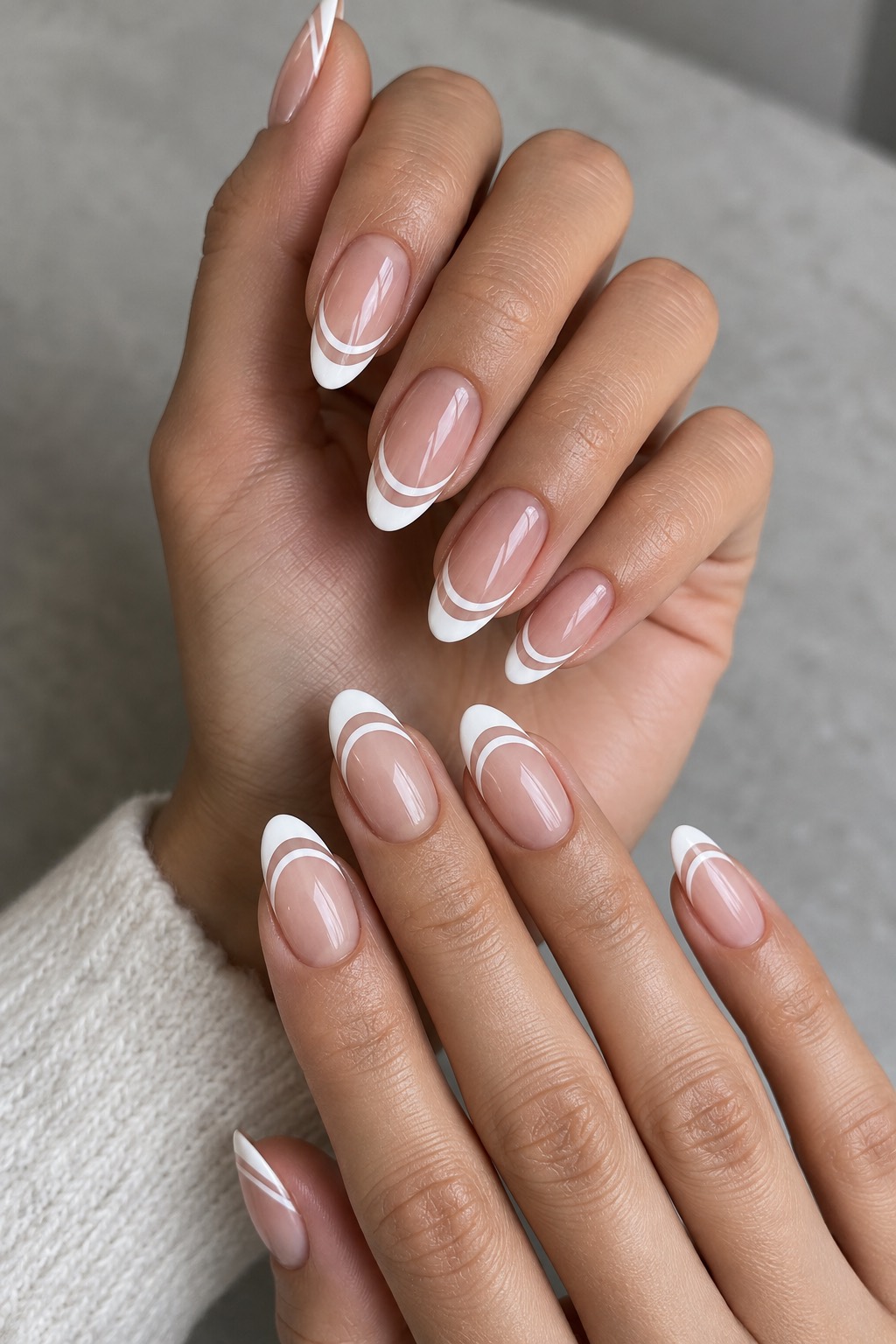
This graphic design plays with visual breathing room. A crisp stroke follows the natural free edge, while an identical secondary stripe floats roughly two millimeters beneath it across the nail plate, leaving untouched negative space between the two bands.
- The Palette: Stark white, metallic silver, or contrasting olive and cream.
- Best Paired With: Medium-to-long almond or squoval shapes with ample nail bed surface.
- Artist Technique: The key to this set is matching line weight. If your outer perimeter line is 1mm wide, your floating lower arc must also measure exactly 1mm to preserve deliberate balance.
8. Mismatched Muted Pastel Palette
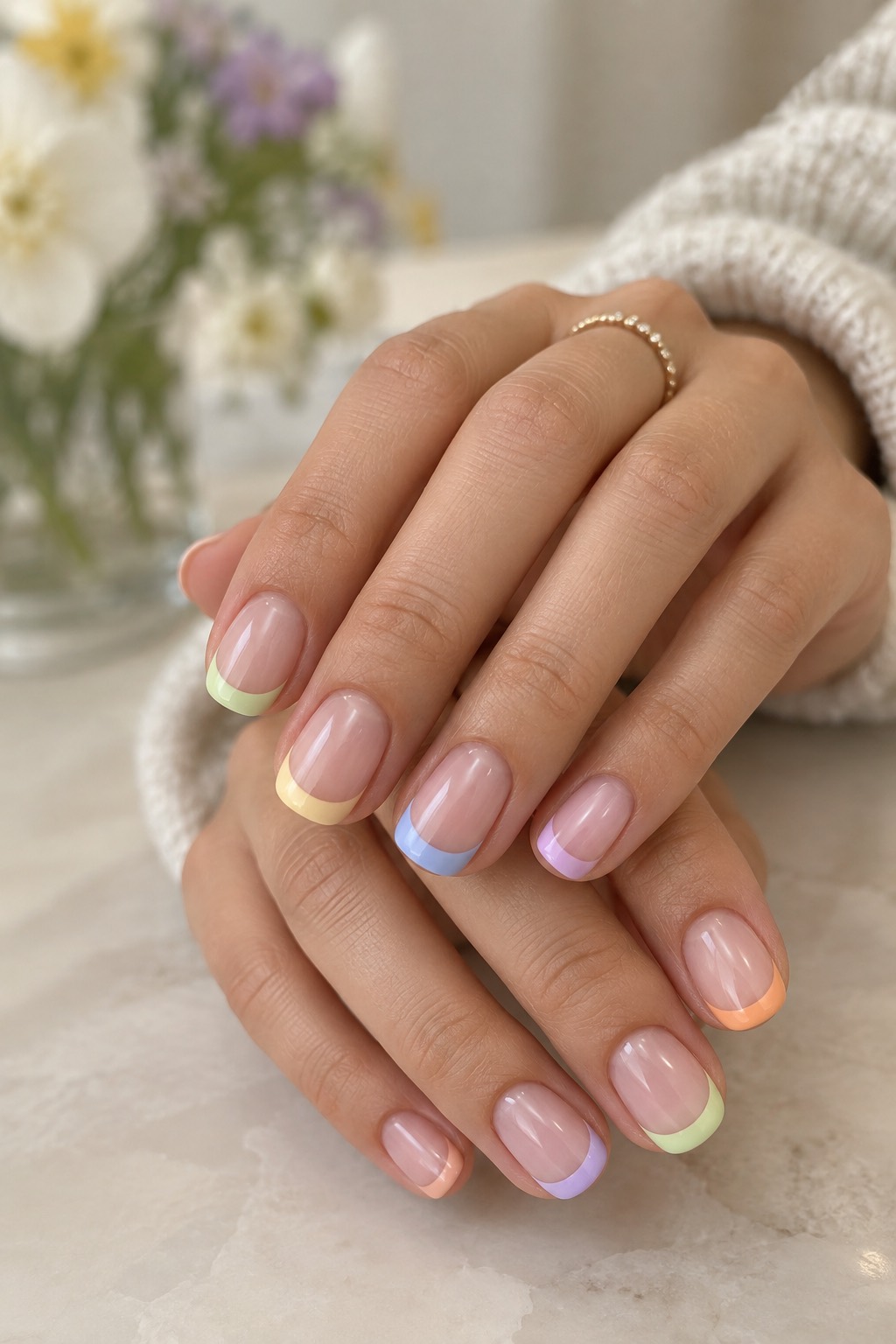
You do not need to limit yourself to a single shade across all ten fingers. By curating five desaturated pastel tones that share identical creamy undertones, each fingertip showcases a distinct hue while the set looks curated and calm.
- The Palette: Pistachio green, whipped butter, soft periwinkle, lavender cream, and dusty peach.
- Best Paired With: Natural squoval or short rounded nails.
- Artist Technique: Maintain a consistent smile line depth across every finger. Even though the colors change from thumb to pinky, keeping the band thickness identical keeps the hands looking intentional rather than chaotic.
- Salon Secret: Always match your neutral base to your skin undertone. Warm skin tones glow against soft peach-tinted nude bases, while cool skin pairs best with sheer rose-pink or translucent milky-white foundations.
9. Inverted Half-Moon Cuticle French
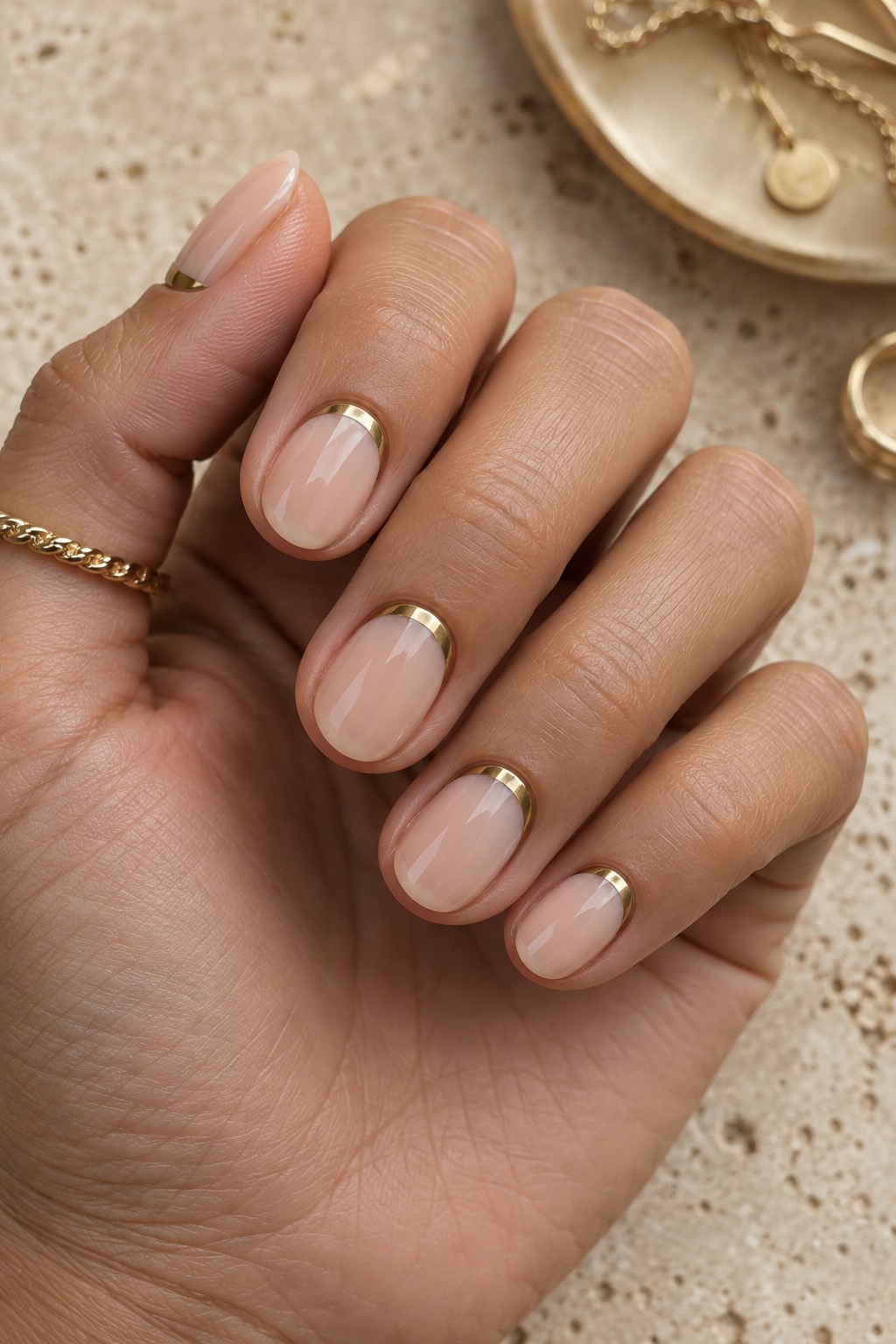
Flip the traditional manicure upside down by moving the accent curve from the tip down to the eponychium (the cuticle border). This frames the lunula, creating an unexpected architectural focal point that highlights rings and hand jewelry.
- The Palette: Translucent buff base with mirror gold, cherry red, or crisp white crescents.
- Best Paired With: Oval, round, or short squoval shapes.
- Artist Technique: Leave a hairline gap of clean nail bed right before the proximal nail fold. Never flood the cuticle crevice with gel, as product touching the skin guarantees premature lifting and peeling as the nail plate grows out.
10. Seamless Baby Boomer Faded Ombré
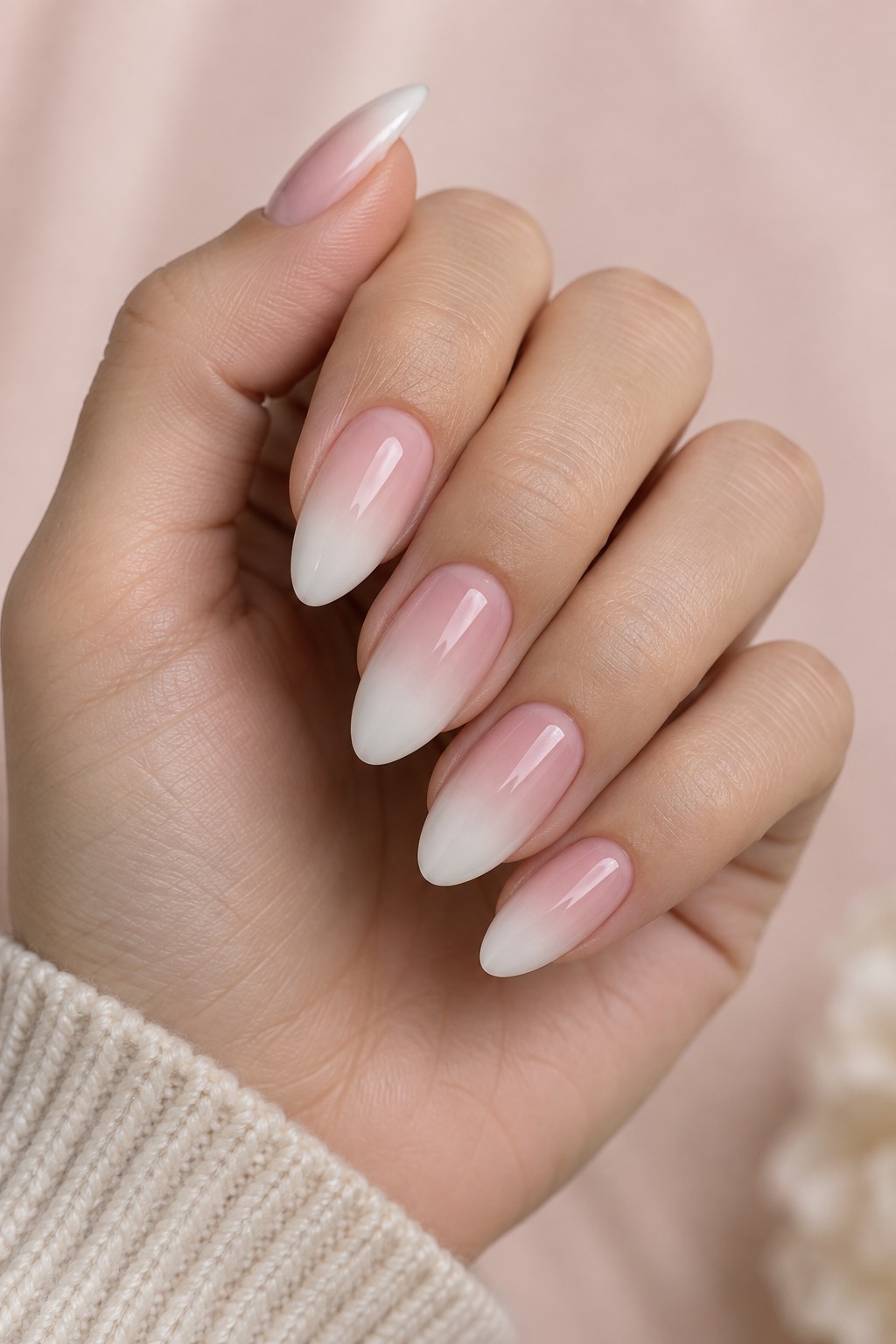
For those who prefer zero harsh demarcation lines, the Baby Boomer style dissolves the tip into a seamless color gradient. The soft white tip transitions effortlessly into a blush-pink bed with no visible smile line boundary.
- The Palette: Translucent petal pink melting into soft bone white or creamy ivory.
- Best Paired With: Medium almond or short oval shapes.
- Artist Technique: An airbrush tool or a dense cosmetic gradient sponge creates the smoothest blend. Dab the white pigment across the tip in three light layers, curing between each coat, rather than depositing all the white lacquer at once.
11. Sculptural Molten Liquid Gold Tips
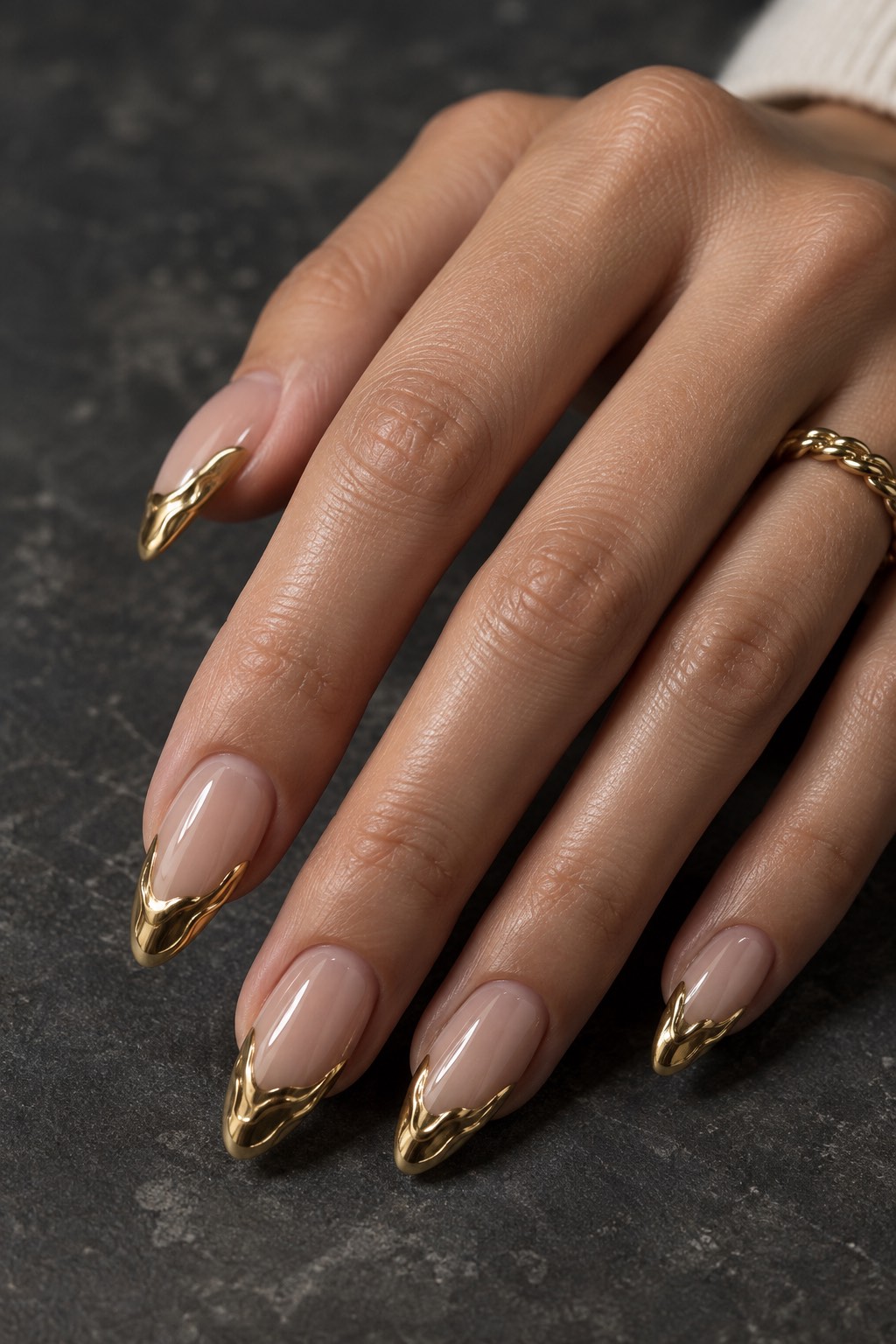
Bring the craftsmanship of fine jewelry to your fingertips. Using thick 3D sculpting gel, you can build tactile, raised borders along the edge of each nail before burnishing them with high-shine metallic chrome.
- The Palette: Clean neutral base topped with antiqued brass, platinum, or yellow gold chrome.
- Best Paired With: Sculpted stiletto or tapered almond shapes.
- Artist Technique: Lay down irregular beads of high-viscosity builder gel along the tip to mimic melted metal drops. Flash cure immediately so the 3D shapes do not flatten, rub your chrome powder firmly into the raised ridges, and cap thoroughly with a durable topcoat.
12. Split Dual-Tone Color-Blocked French
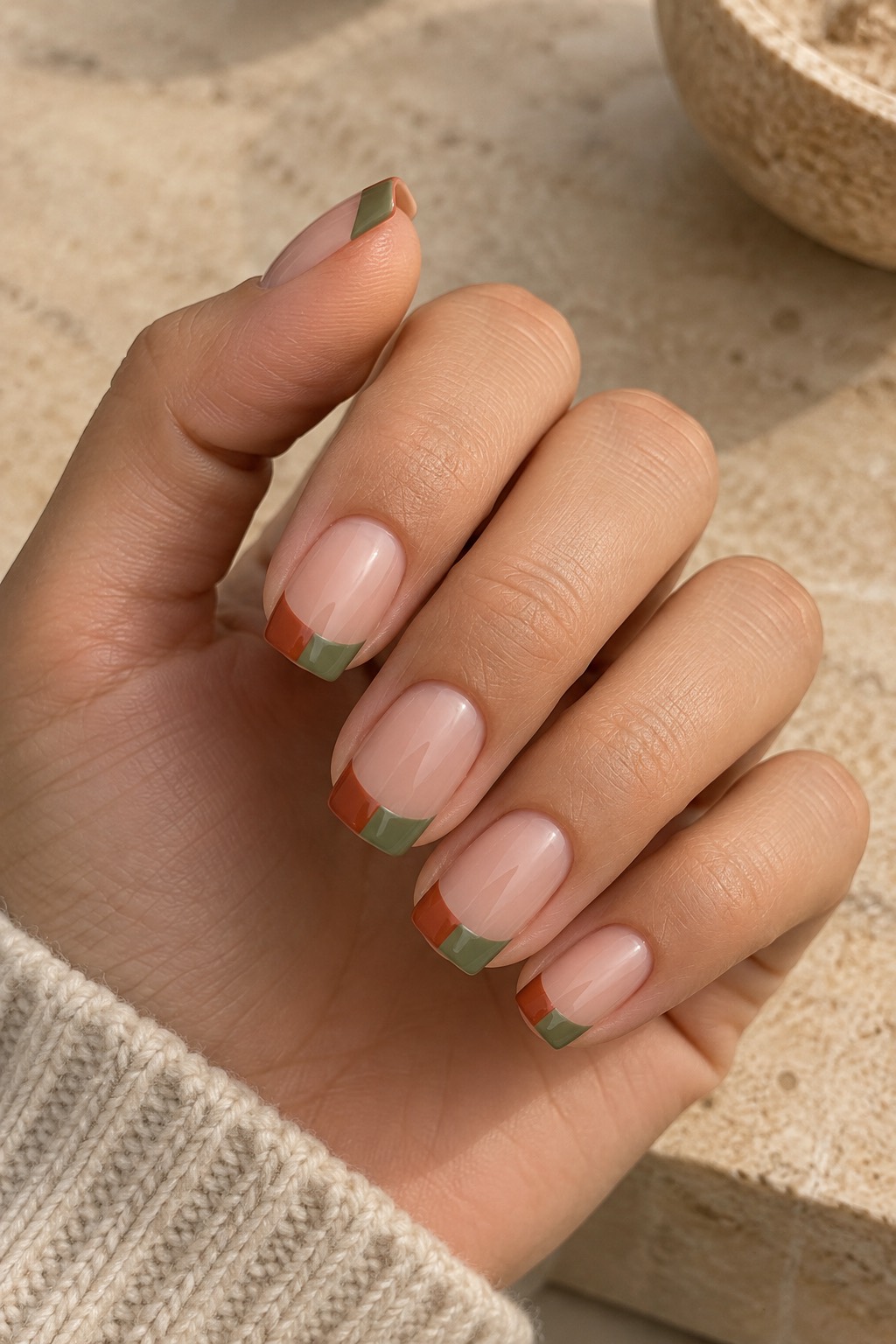
Why settle for one pigment when two create compelling contrast? Split each tip down the vertical center line, pairing two distinct shades that share the curve of the smile line.
- The Palette: Terracotta and sage, mustard and navy, or blush pink and espresso.
- Best Paired With: Square or almond nails with ample surface area.
- Artist Technique: Paint the lighter shade first across one half, cure, and follow with the darker hue on the opposite side. This sequence prevents the darker pigment from bleeding into the lighter half during application.
13. Diffused Chromatic Aura French
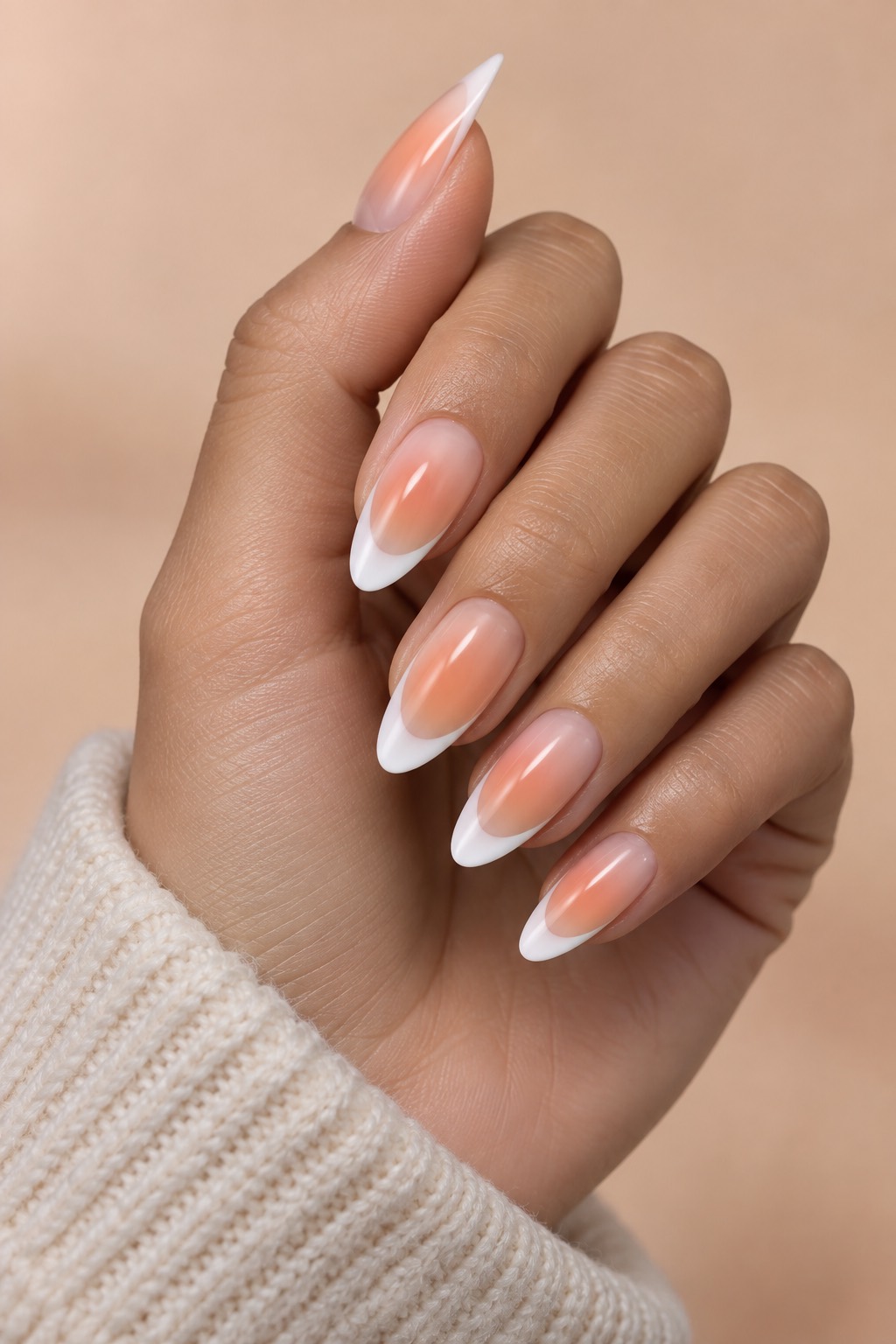
Aura nail art uses soft, glowing circles of diffuse pigment centered in the nail bed. Framing this hazy effect with a clean, razor-sharp French tip creates visual tension between soft gradients and hard borders.
- The Palette: Warm peach aura with crisp white tips, or cool lilac aura with deep plum borders.
- Best Paired With: Long almond or coffin shapes.
- Artist Technique: Diffuse the central aura pigment outward using a makeup sponge or airbrush pen, seal the effect with a coat of base gel, and paint your crisp French edge directly over the cured layer.
14. Hand-Painted Micro-Botanical French
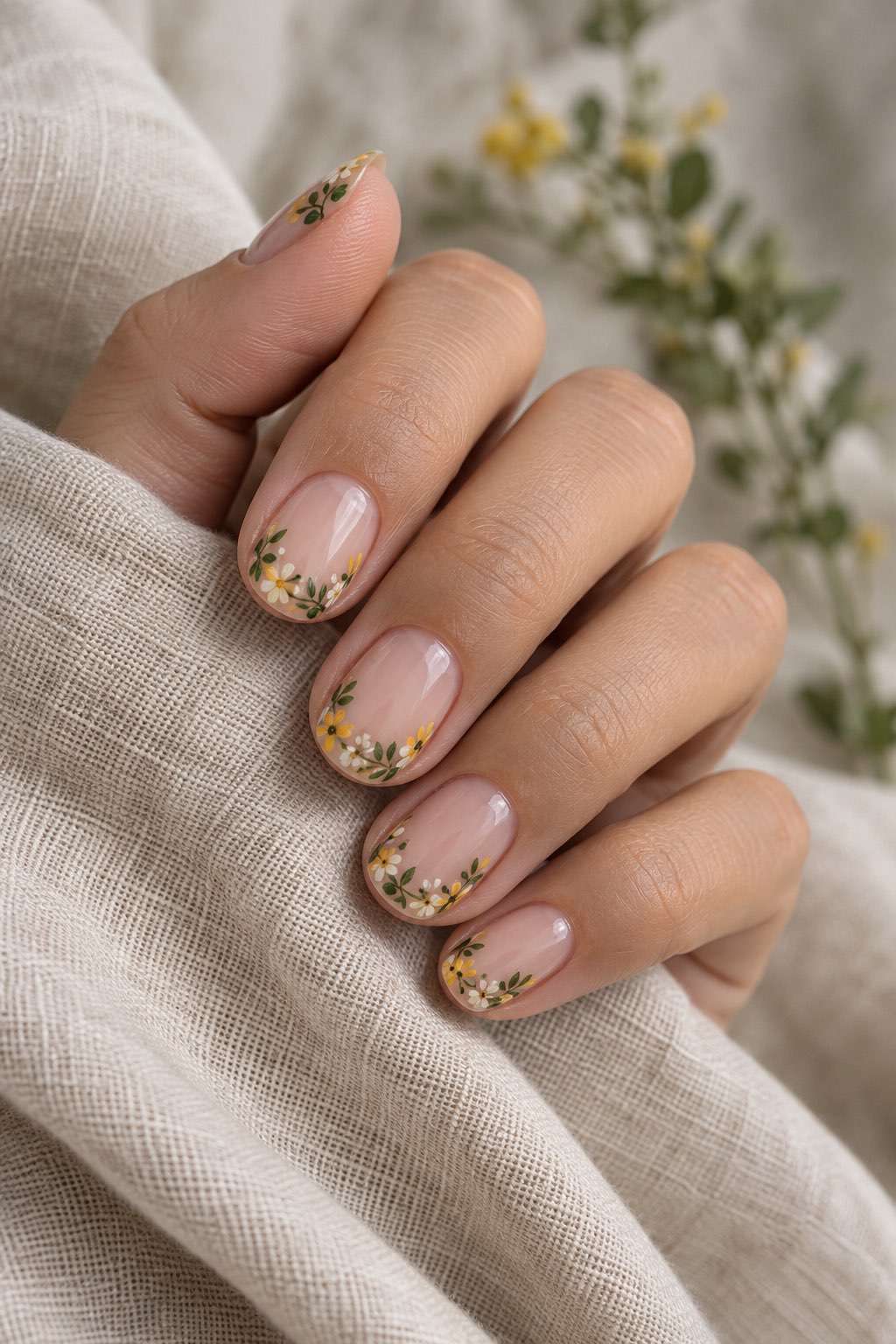
Ditch solid polish entirely and form your smile line out of miniature botanical illustrations. Tiny hand-painted petals, delicate vines, and micro greenery trace the free edge to build an organic curve.
- The Palette: Sage green foliage, buttercup blooms, and ivory buds over a sheer linen base.
- Best Paired With: Short to medium rounded nails.
- Artist Technique: Keep individual petal strokes under one millimeter in length. Cluster the artwork closer together at the lateral edges and let it thin out slightly toward the center to maintain the natural French arch.
15. High-Gloss Jet Black on Velvet Matte
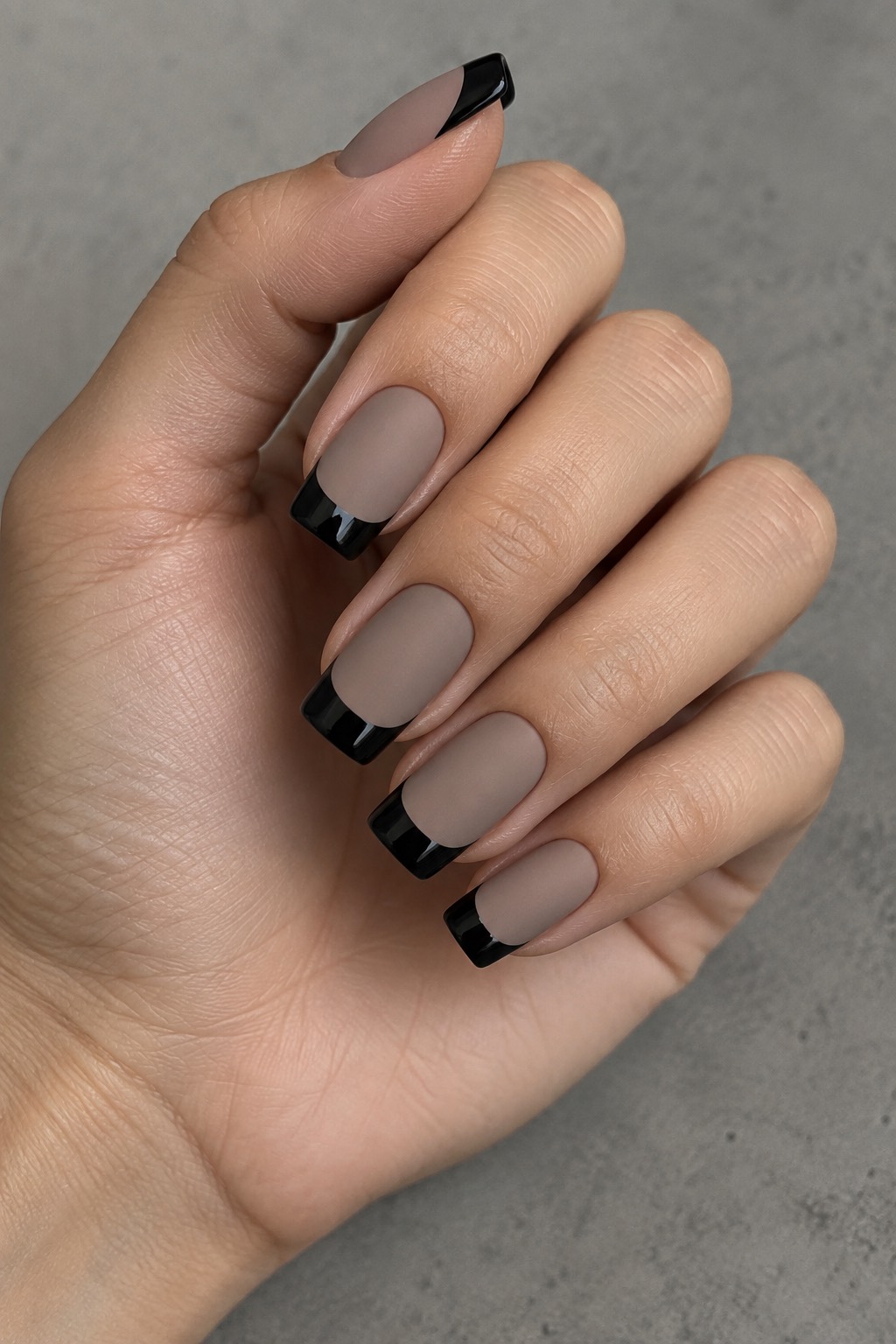
This design relies on textural contrast rather than color variation. By pairing a completely matte nude foundation with an ultra-glossy black tip, you create an understated yet striking visual shift.
- The Palette: Matte cool taupe or grey-beige base with obsidian black tips.
- Best Paired With: Crisp square or short coffin nails.
- Artist Technique: Seal the entire nail with a velvety matte topcoat and cure completely. Then, using a fine liner brush, apply a high-shine no-wipe topcoat exclusively over the black tips to achieve the textural contrast.
Choosing the Best Nail Shape for Your French Manicure
The underlying nail architecture determines how your French tips balance the proportions of your fingers. Consider these structural pairings:
- Almond & Oval: These curved profiles naturally slenderize the fingers. They work best with deep, scooped smile lines, micro-borders, and chrome finishes that trace the natural lateral sidewalls.
- Square & Squoval: The straight horizontal edge suits geometric styles, double negative-space lines, and classic solid colors. A squoval shape softens the corners while preserving crisp structure.
- Coffin & Stiletto: Extended canvases designed for high-impact artistry. Use these shapes for deep chevron V-cuts, tortoiseshell layers, and molten 3D metallics where extra surface area keeps the design legible.
Salon Rules for Long-Lasting Wear
A flawless French set requires mindful maintenance to prevent chipping and maintain high shine:
- Cap the Free Edge Without Fail: Every layer of color and topcoat must wrap around the physical edge of the nail plate. This prevents moisture from seeping between the gel and the natural keratin layers.
- Apply Cuticle Oil Daily: Pure cold-pressed jojoba oil mimics the body’s natural sebum. Rubbing a drop into your cuticles every night maintains flexibility in the natural nail, which stops the hard overlay from snapping under pressure.
- Avoid Using Nails as Tools: Opening soda cans or picking at labels places concentrated shear stress right on the smile line. Use the pads of your fingers or proper tools to keep your edges intact for three full weeks.